
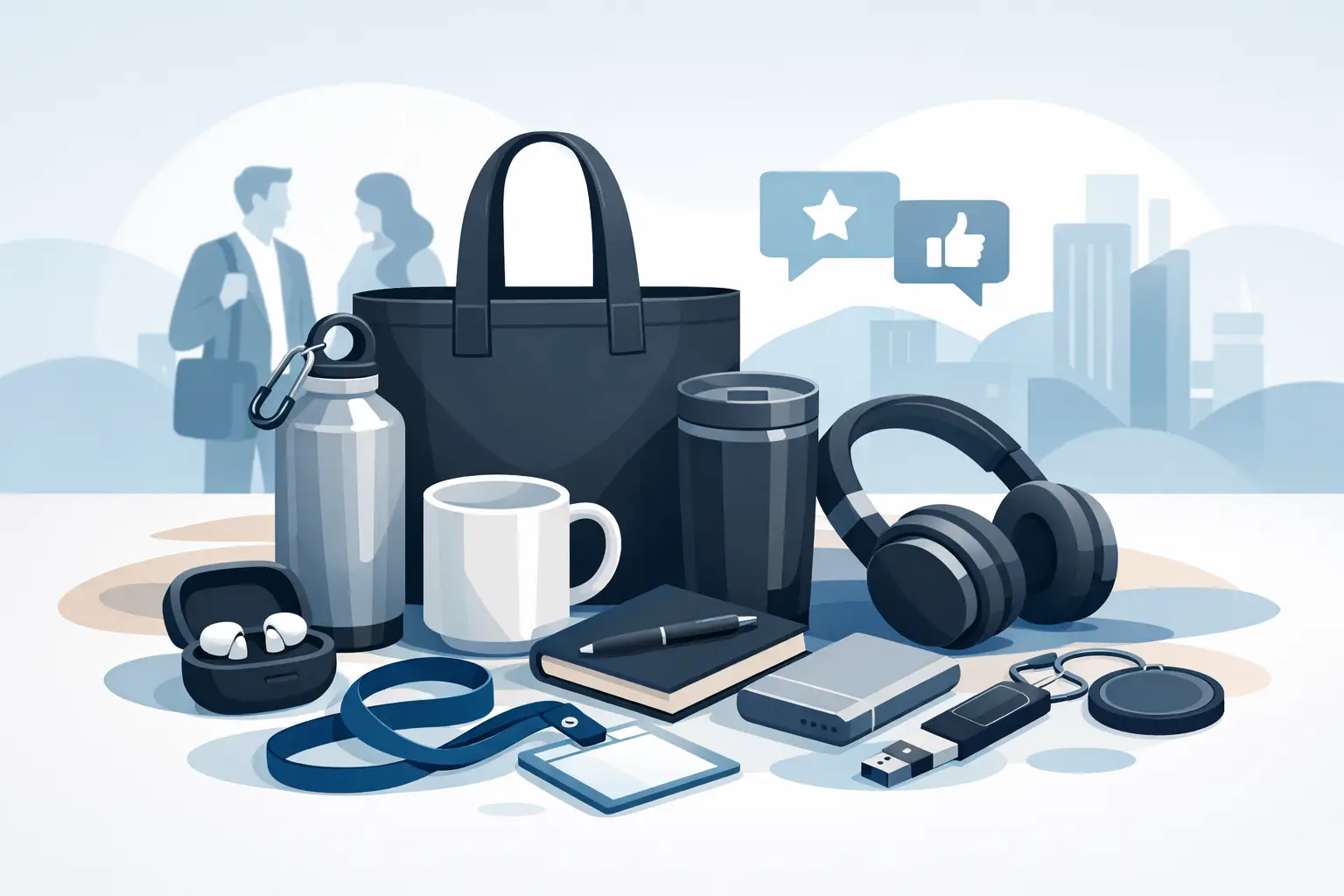

A conference giveaway gets judged fast. Attendees pick it up, weigh it in their hand, and decide in seconds whether it goes into their bag, onto their desk, or straight into the nearest trash bin. That is why choosing the best conference giveaway products is less about novelty and more about usefulness, brand fit, and timing.
For procurement teams, marketers, and event managers, the real question is not simply what is popular. It is which products help your brand stay visible after the event, fit your budget, and can be customized properly without creating a sourcing headache. The strongest giveaway strategy usually combines utility, clean branding, and reliable production.
What makes the best conference giveaway products work
The products that perform well at conferences usually do three jobs at once. They attract attention at the booth, they feel relevant to the audience, and they remain useful after the event. If any one of those is missing, the product may still get picked up, but it will not deliver much brand value.
Utility matters because conference attendees are already carrying too much. If you give them something bulky, fragile, or low quality, they are less likely to keep it. Brand presentation matters because the item becomes a small extension of your company. If the print quality is weak or the product feels cheap, that impression follows your logo.
Budget matters too, but lowest unit cost is not always the best buying decision. A slightly better item that people actually keep often delivers more value than a large quantity of forgettable products.
Best conference giveaway products by category
Branded drinkware
Drinkware stays near people for hours, then often for months. That makes it one of the strongest conference categories for repeat brand exposure. Reusable water bottles, insulated tumblers, and travel mugs are especially effective for professional audiences because they fit into work routines naturally.
The trade-off is cost and weight. Premium drinkware creates a stronger impression, but it is not always ideal for mass distribution at very high-traffic events. For broader reach, lighter bottles work well. For VIP kits or key prospects, insulated options usually feel more valuable.
Tote bags and backpacks
Conference bags solve an immediate attendee problem. People need somewhere to put brochures, notebooks, chargers, and samples, which is why bags consistently perform well. A good tote also turns the attendee into a moving brand placement across the venue.
If your design team can keep the branding clean, bags offer excellent visibility. The key is avoiding flimsy construction. Cheap bags tear, lose shape, and reduce perceived brand quality. For events with executive audiences, more structured laptop bags or slim backpacks may be a better fit than basic totes.
Notebooks and journals
Even in highly digital industries, notebooks remain one of the best conference giveaway products because they are easy to use on the spot. Attendees take notes in sessions, jot down supplier names, and carry them back to the office. That gives your brand a useful place in the event experience itself.
This category works best when presentation is strong. A hardcover notebook with a clean logo placement feels more professional than a thin pad with oversized branding. If budget allows, pairing a notebook with a pen creates a more complete and usable set.
Pens that write well
Pens are common for a reason. They are affordable, portable, and easy to distribute in volume. The problem is that many promotional pens are poorly made, which defeats the purpose. If the pen skips or breaks, the giveaway reflects badly on the brand.
A better approach is to source pens that feel smooth and substantial enough to keep. This is one category where a small upgrade in quality can make a noticeable difference in retention. Pens are also practical when you need a large quantity for general booth traffic, registration areas, or conference welcome packs.
Tech accessories
Tech items often attract immediate interest because they feel relevant in a conference setting. Phone stands, charging cables, webcam covers, wireless mouse pads, and power banks can all perform well, especially for business audiences who travel or work across devices.
What matters here is relevance and quality control. Low-grade tech products can create complaints quickly. Power banks and charging items also require more careful sourcing and compliance checks. For that reason, tech accessories are often strongest for targeted distribution rather than impulse handouts to everyone who walks by.
Wireless chargers and desk tech
If your audience includes decision-makers, clients, or exhibitors, desk-friendly tech can offer strong long-term branding. Wireless chargers and branded charging pads tend to stay in offices, where your logo remains visible during daily work.
These products usually sit at a higher price point, so they are better used selectively. They fit well in executive event kits, customer appreciation packages, or conference gifts tied to appointments rather than mass giveaway bowls.
Lanyards and badge accessories
Some products are functional because the event itself demands them. Lanyards, badge holders, and related accessories are useful during the conference and can be branded for strong visibility across the venue. If you are sponsoring a large event or managing event materials, this category can deliver excellent exposure.
The limitation is longevity. Attendees may not keep them after the conference, so these items are strongest when your goal is event-day visibility rather than long-term desk presence.
Eco-friendly giveaway products
Reusable and eco-conscious products continue to gain traction, but they only work when they are genuinely practical. Recycled notebooks, reusable straws, bamboo pens, and cotton totes can support sustainability messaging, especially for brands that want their merchandise choices to align with broader corporate priorities.
That said, eco-friendly should not mean lower performance. A sustainable item still needs to be durable, useful, and well branded. Buyers are paying more attention to whether the product makes sense, not just whether it carries an environmental claim.
Apparel and wearable items
T-shirts, caps, and light outerwear can work well when the design is subtle and wearable beyond the event. If the item looks too promotional, people may accept it but never use it. If it looks clean and modern, it can extend brand exposure far beyond the conference floor.
Sizing adds complexity, which makes apparel less convenient for quick-volume distribution. It is usually better for staff uniforms, VIP gifts, sponsor merchandise, or pre-packed attendee kits where planning is tighter.
Desk accessories
Mouse pads, sticky notes, planners, cable organizers, and desktop holders often perform better than flashier products because they stay in workspaces. That constant visibility gives them a strong return over time.
This category suits B2B audiences especially well. It may not create the same instant excitement as tech gear, but it tends to support repeat use, which is often the better business outcome.
Snack packs and consumables
Edible giveaways can pull traffic to a booth quickly, especially during long event days. Branded snack packs, mints, coffee kits, or small treat boxes work best as attention-grabbers or add-ons to a broader giveaway plan.
The downside is obvious. Once consumed, the brand exposure is gone. These are useful for immediate engagement, not long-term retention. They are most effective when paired with a lasting item.
Premium gift sets
For high-value prospects, speakers, partners, or internal leadership events connected to a conference, curated gift sets can create a much stronger impression than single items. A boxed combination of drinkware, stationery, tech, or travel accessories feels more deliberate and more aligned with relationship building.
This is where a one-supplier model matters. When products, printing, packaging, and presentation are coordinated properly, the final result looks consistent instead of assembled from separate sources.
How to choose the right products for your event
The best conference giveaway products depend on your distribution plan. If your booth expects heavy foot traffic, you need affordable items that are easy to hand out quickly. Pens, totes, and notebooks usually fit that model well. If your goal is to support sales conversations with qualified prospects, a more premium item is often the smarter choice.
Audience profile should guide the category. University events may support broader, more casual items. Corporate expos often reward practical office and tech products. Industry matters too. A healthcare event, a finance conference, and a startup expo may all respond differently to the same giveaway.
You should also think about what else needs to be sourced around the event. Buyers often underestimate the operational value of working with one supplier that can handle merchandise, branded print materials, and display assets together. When giveaways, booth graphics, event kits, and printed collateral follow the same brand standards, the event presence feels more professional and is easier to manage under deadline.
Common mistakes that weaken conference giveaways
One of the most common mistakes is choosing products only because they are cheap. Low-cost items can work, but only if they still have practical value and acceptable quality. Another mistake is overbranding. A giveaway should carry your logo clearly, not feel like a billboard no one wants to use.
Late planning is another issue. Good giveaway products often need time for sourcing, customization, proofing, and production. Waiting too long can limit your options or force rushed decisions on substitute items that are not a strong fit.
Finally, many teams treat giveaways as separate from the wider event setup. In practice, the product should support the same message as the booth, printed materials, and overall campaign. That consistency is what makes the brand feel organized rather than scattered.
If you want conference giveaways to do more than fill a bowl on a counter, choose items that people can actually use, brand them with restraint, and plan them as part of the whole event package. The best product is rarely the flashiest one. It is the one that keeps working after the badge comes off.